Process Creation Analysis
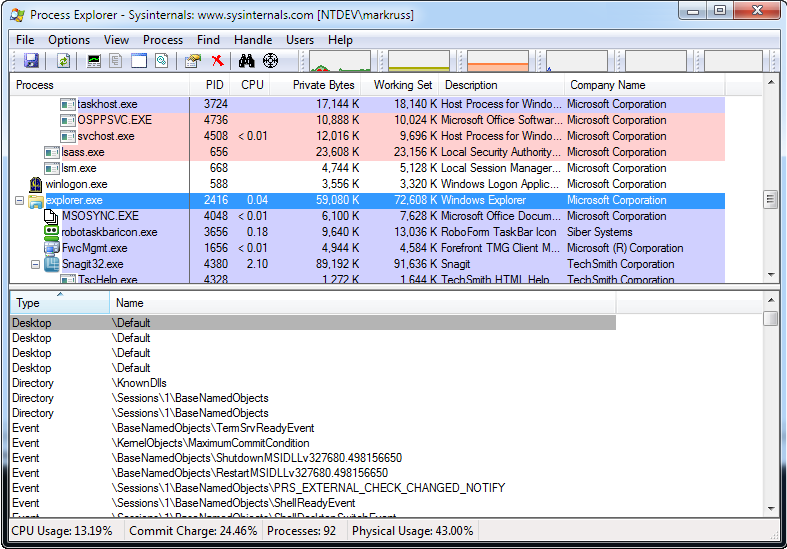
Reconstruct parent-child execution chains, command lines, image paths, tokens, integrity levels, and transient helper processes.
Memory Utilization Profiling
Measure working set, private bytes, commit growth, mapped regions, allocation trends, and suspected memory retention across test phases.
Registry Activity Monitoring
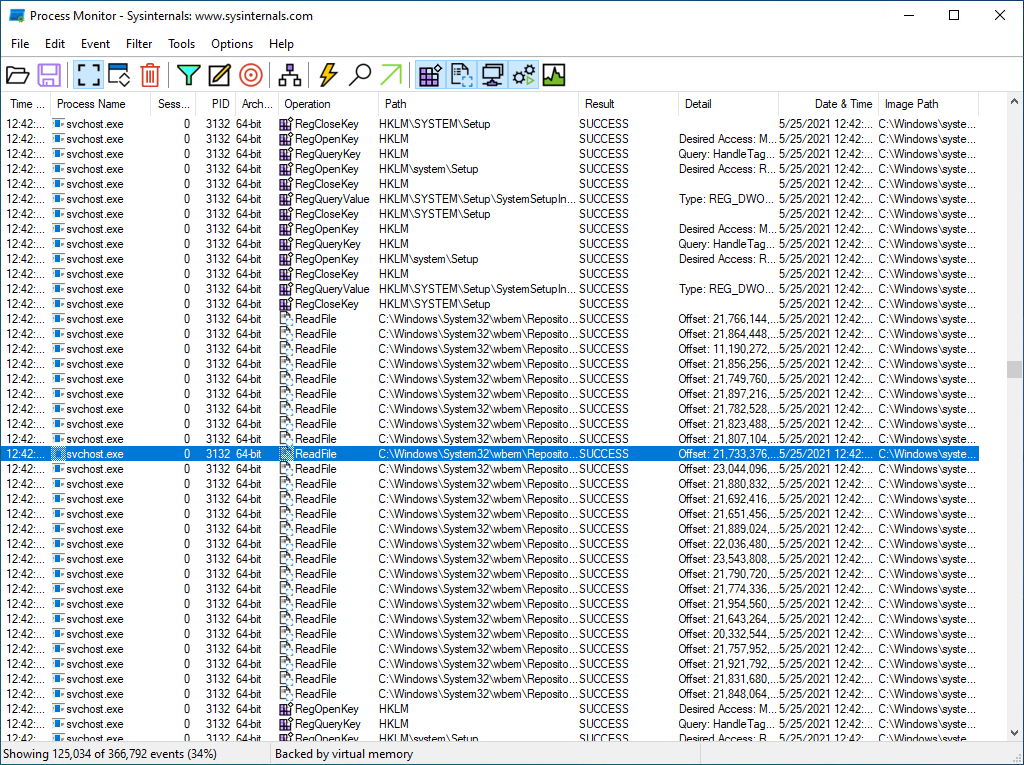
Trace key and value access, writes, failed queries, configuration dependencies, COM registration, and persistence-relevant modifications.
Filesystem Activity Tracing
Capture file creation, reads, writes, renames, deletions, temporary artifacts, path failures, permissions errors, and residual data.
DLL Dependency Mapping
Inventory loaded modules, dependency resolution, architecture mismatches, unsigned components, search paths, and delayed-load behavior.
Thread Inspection
Review thread counts, start addresses, CPU consumption, wait states, call stacks, synchronization behavior, and termination anomalies.
Handle Analysis
Inspect file, registry, event, mutex, section, token, process, thread, and named-object handles for leakage or contention.
Network Communications Analysis
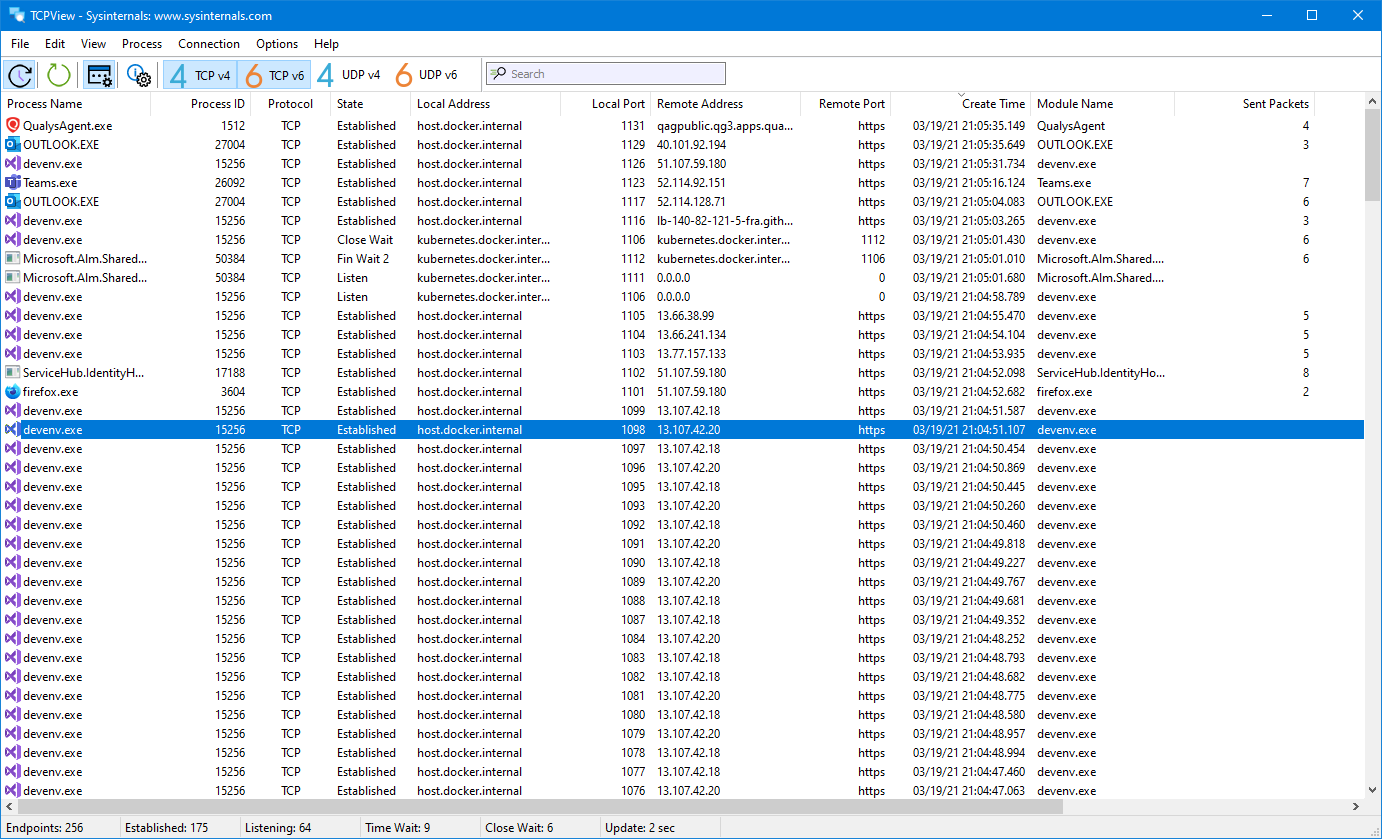
Associate TCP and UDP endpoints, connection state, remote infrastructure, protocol behavior, and transfer timing with executable activity.
DNS Activity Review
Correlate hostname resolution, query frequency, fallback domains, failed lookups, and destination changes with runtime events.
Application Persistence Analysis
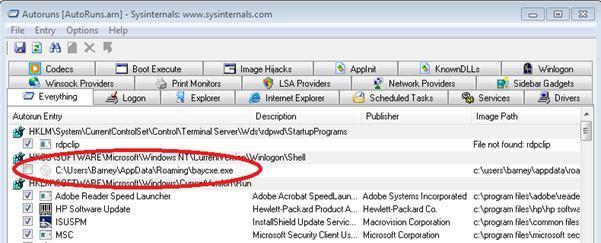
Inspect Run keys, startup folders, shell extensions, WMI mechanisms, image hijacks, drivers, services, and other autostart extensibility points.
Service Installation Validation
Verify service creation, binary path, account context, start type, dependencies, recovery actions, permissions, and removal behavior.
Scheduled Task Analysis
Review triggers, actions, principals, conditions, hidden tasks, execution history, task XML, and lifecycle cleanup.
Python Runtime Validation
Evaluate interpreter selection, bundled modules, native extensions, environment assumptions, import paths, subprocesses, and packaging artifacts.
Portable Executable Validation
Inspect PE architecture, headers, sections, imports, manifests, version data, signatures, entropy indicators, and runtime compatibility.
Installer Behavior Assessment
Record deployment writes, prerequisite checks, elevation, custom actions, rollback behavior, repair paths, upgrades, and uninstall completeness.
Software Supply Chain Review
Map third-party libraries, redistributables, embedded runtimes, signatures, provenance indicators, update channels, and inherited attack surface.
Telemetry Assessment
Identify diagnostic, analytics, update, licensing, and error-reporting traffic; document destinations, cadence, and privacy implications.
Crash Analysis
Correlate failure sequence, dump availability, faulting module, exception code, event records, and reproducible preconditions.
Exception Analysis
Trace handled and unhandled exceptions, repeated fault paths, access violations, dependency failures, and degraded-mode behavior.
Performance Bottleneck Identification
Isolate CPU saturation, I/O amplification, blocking waits, startup latency, resource contention, and inefficient polling or retry loops.
Windows Event Correlation
Align application, system, security, service-control, task-scheduler, and crash events with the primary runtime timeline.